Strategies for improving athlete performance through training load monitoring training at Barracuda’s Swimming Club

Downloads
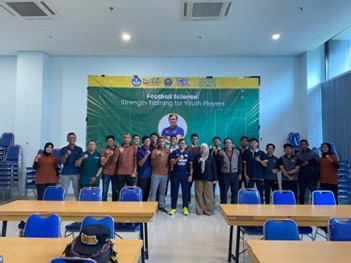
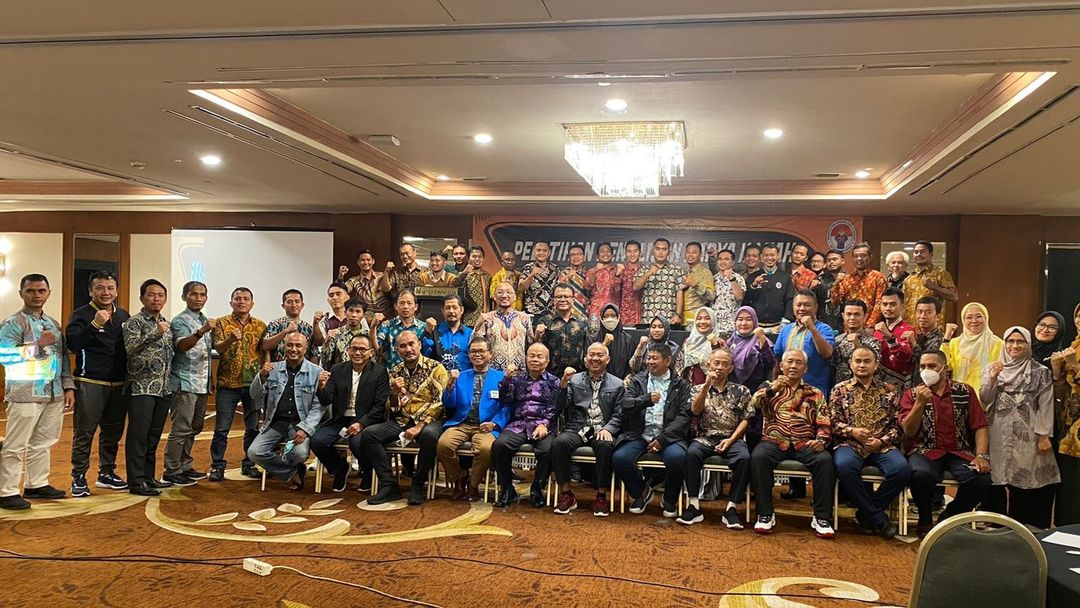
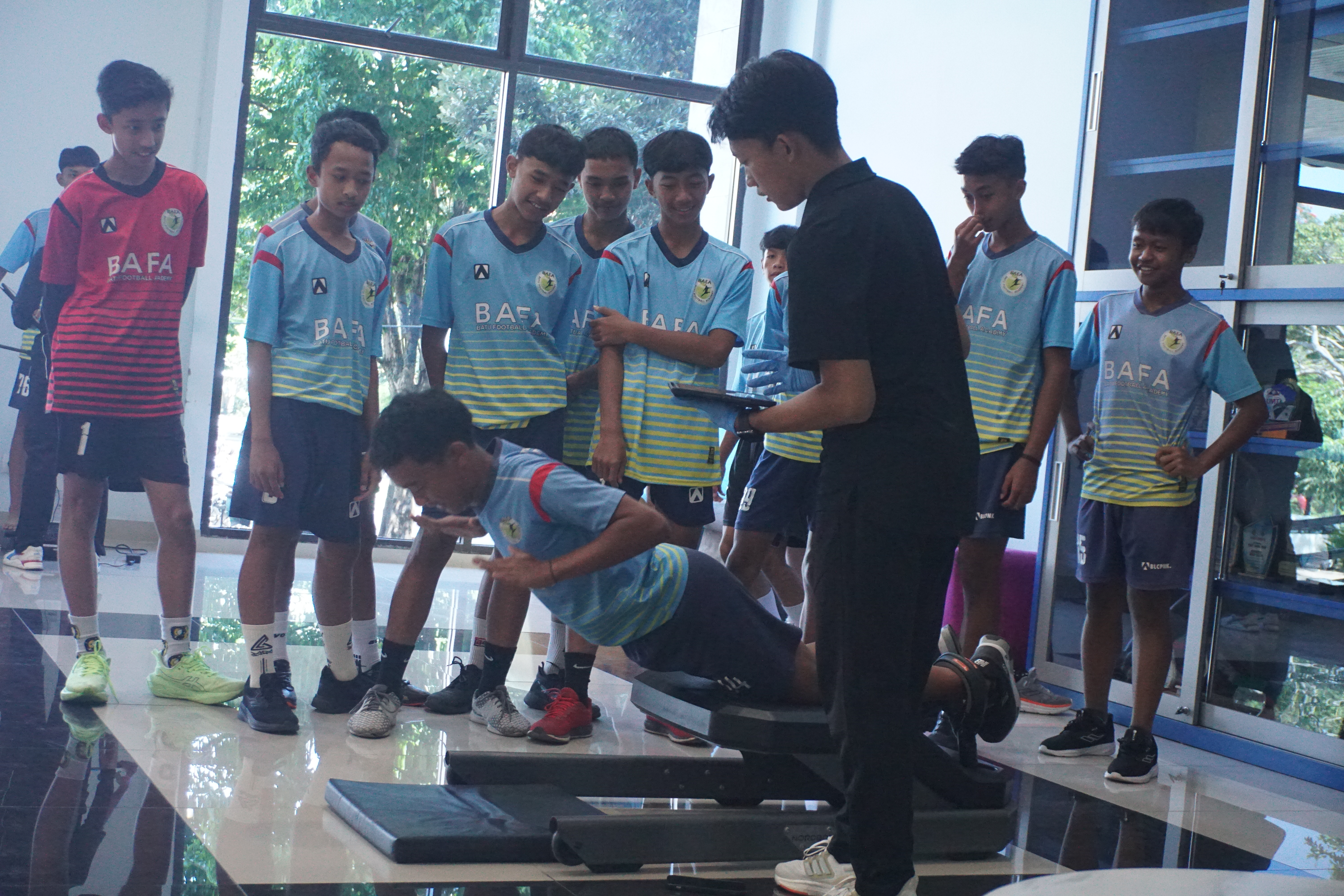
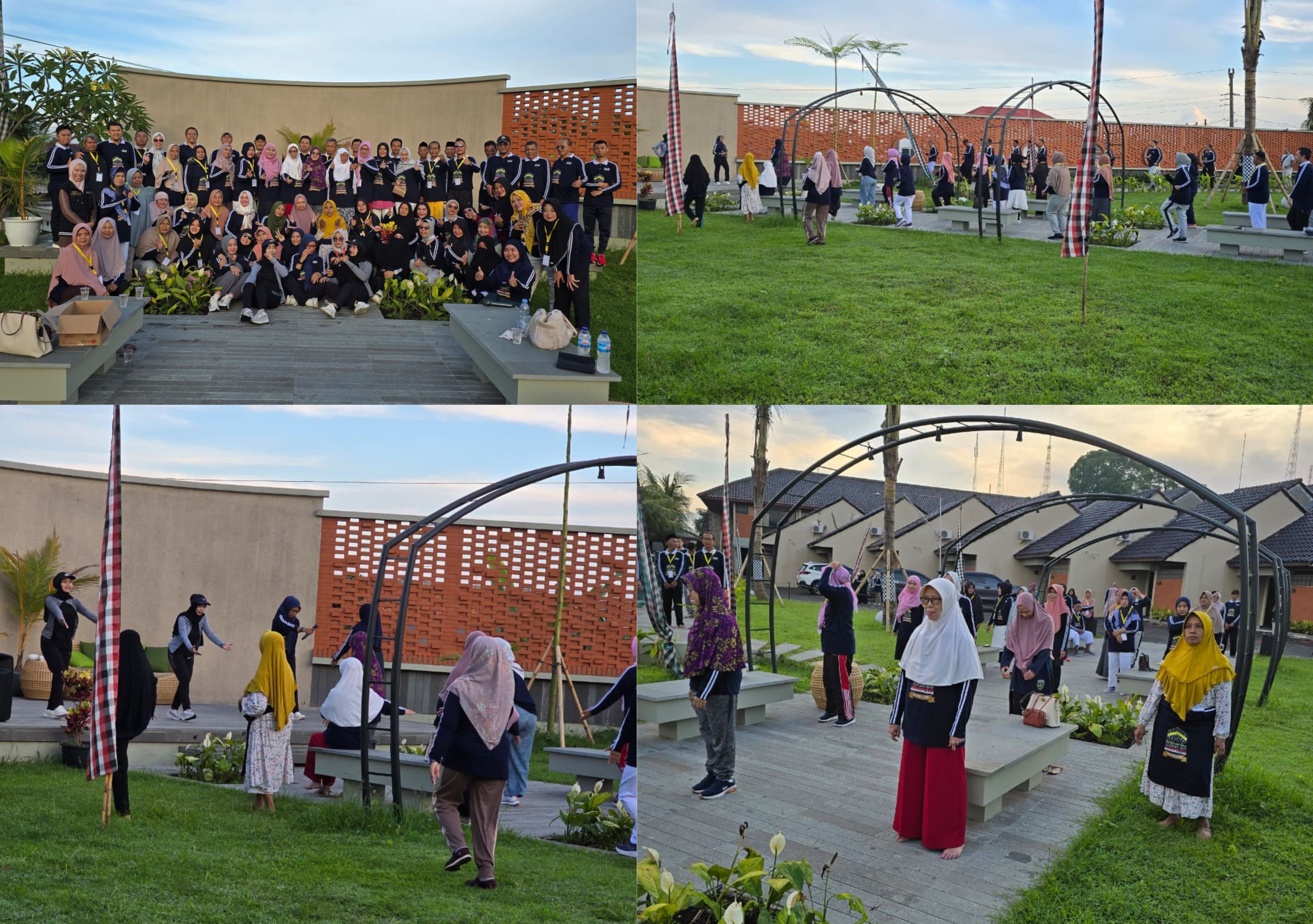
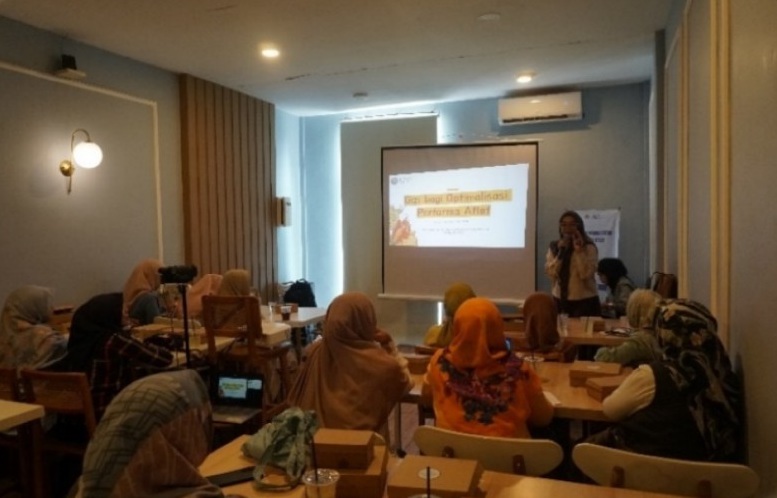
Training load training (training load) is one of the essential strategies for improving athlete performance. The lack of understanding of coaches and athletes regarding training load calculations is the main focus of the service team. This activity aims to apply the concept of training load calculation at Barracuda's Swimming Club to minimize the risk of injury and overtraining and improve athlete performance. Training load is divided into external and internal training loads, where external loads measure the physical work done by athletes, while internal loads evaluate physiological and psychological responses to exercise. Through a Community-Based Participatory Research (CBPR) approach, this service program collaborates with coaches, athletes, and guardians to develop and implement an appropriate program. Training activities included two sessions, with material on training load calculation, Long-Term Athlete Development (LTAD), training load management, and the role of nutrition in supporting athlete performance. The pre-test and post-test results significantly increased participants' understanding of the training load. Based on the Paired T-Test analysis, there was a significant difference between the pretest and post-test scores with a p-value of 0.000, confirming that the training was effective in improving participants' understanding of training load calculation. Therefore, this program plays a crucial role in empowering coaches to make informed decisions to manage training loads, minimize injuries, and maximize athletes' potential.
Akubat, I., Barrett, S., & Abt, G. (2014). Integrating the internal and external training loads in soccer. International Journal of Sports Physiology and Performance, 9(3), 457–462. https://doi.org/10.1123/IJSPP.2012-0347
Akubat, I., Patel, E., Barrett, S., & Abt, G. (2012). Methods of monitoring the training and match load and their relationship to changes in fitness in professional youth soccer players. Journal of Sports Sciences, 30(14), 1473–1480. https://doi.org/10.1080/02640414.2012.712711
Barry, L., Lyons, M., McCreesh, K., Powell, C., & Comyns, T. (2021). The Relationship between Training Load and Pain, Injury and Illness in Competitive Swimming: A Systematic Review. Physical Therapy in Sport, 48, 154–168. https://doi.org/10.1016/j.ptsp.2021.01.002
Borresen, J., & Lambert, M. I. (2008). Quantifying Training Load: A Comparison of Subjective and Objective Methods. International Journal of Sports Physiology and Performance, 3(1), 16–30. https://doi.org/10.1123/ijspp.3.1.16
Bourdon, P. C., Cardinale, M., Murray, A., Gastin, P., Kellmann, M., Varley, M. C., Gabbett, T. J., Coutts, A. J., Burgess, D. J., Gregson, W., & Cable, N. T. (2017). Monitoring athlete training loads: Consensus statement. International Journal of Sports Physiology and Performance, 12(2), 161–170. https://doi.org/10.1123/IJSPP.2017-0208
Campos-Vazquez, M. A., Toscano-Bendala, F. J., Mora-Ferrera, J. C., & Suarez-Arrones, L. J. (2017). Relationship between internal load indicators and changes on intermittent performance after the preseason in professional soccer players. Journal of Strength and Conditioning Research, 31(6), 1477–1485. https://doi.org/10.1519/JSC.0000000000001613
Canlan, A. A. T. S., En, N. E. A. L. W., & Ucker, P. A. S. T. (2014). The Relationships Between Internal And External Training Load Models During Basketball Training. 28(9), 2397–2405.
Capaci, K., Ozcaldiran, B., & Durmaz, B. (2002). Musculoskeletal Pain in Elite Competitive Male Swimmers. Pain Clinic, 14(3), 229–234. https://doi.org/10.1163/156856902320761432
Corso, M. (2018). Developmental Changes in The Youth Athlete: Implications for Movement, Skills Acquisition, Performance and Injuries. Journal of the Canadian Chiropractic Association, 62(3), 150–160.
Difiori, J. P. (2002). Overuse Injuries in Young Athletes: An Overview. Journal of Athletic Therapy and Training, 7(6), 25–29. https://doi.org/10.5937/tmg2001018v
Drew, M. K., & Finch, C. F. (2016). The Relationship between Training Load and Injury, Illness and Soreness: A Systematic and Literature Review. Sports Medicine, 46(6), 861–883. https://doi.org/10.1007/s40279-015-0459-8
Fox, J. L., Scanlan, A. T., & Stanton, R. (2017). A Review of Player Monitoring Approaches in Basketball: Current Trends and Future Directions. Journal of Strength and Conditioning Research, 31(7), 2021–2029. https://doi.org/10.1519/JSC.0000000000001964
Gabbett, T. J. (2004a). Influence of Training and Match Intensity on Injuries in Rugby League. Journal of Sports Sciences, 22(5), 409–417. https://doi.org/10.1080/02640410310001641638
Gabbett, T. J. (2004b). Reductions in Pre-Season Training Loads Reduce Training Injury Rates in Rugby League Players. British Journal of Sports Medicine, 38(6), 743–749. https://doi.org/10.1136/bjsm.2003.008391
Gabbett, T. J. (2016). The Training-Injury Prevention Paradox: Should Athletes Be Training Smarter and Harder? British Journal of Sports Medicine, 50(5), 273–280. https://doi.org/10.1136/bjsports-2015-095788
Gabbett, T. J. (2020). How Much? How Fast? How Soon? Three Simple Concepts for Progressing Training Loads to Minimize Injury Risk and Enhance Performance. Journal of Orthopaedic and Sports Physical Therapy, 50(10), 570–573. https://doi.org/10.2519/jospt.2020.9256
Gabbett, T. J., & Domrow, N. (2007). Relationships between Training Load, Injury, and Fitness in Sub-Elite Collision Sport Athletes. Journal of Sports Sciences, 25(13), 1507–1519. https://doi.org/10.1080/02640410701215066
Gabbett, T. J., Hulin, B. T., Blanch, P., & Whiteley, R. (2016). High Training Workloads Alone Do Not Cause Sports Injuries: How You Get There Is The Real Issue. British Journal of Sports Medicine, 50(8), 444–445. https://doi.org/10.1136/bjsports-2015-095567
Griffin, A., Kenny, I. C., Comyns, T. M., & Lyons, M. (2020). The Association Between the Acute:Chronic Workload Ratio and Injury and its Application in Team Sports: A Systematic Review. Sports Medicine, 50(3), 561–580. https://doi.org/10.1007/s40279-019-01218-2
Halson, S. L. (2014). Monitoring Training Load to Understand Fatigue in Athletes. Sports Medicine, 44(2), 139–147. https://doi.org/10.1007/s40279-014-0253-z
Herman, L., Foster, C., Maher, M., Mikat, R., & Porcari, J. (2006). Validity and Reliability of The Session RPE Method for Monitoring Exercise Training Intensity. South African Journal of Sports Medicine, 18(1), 14. https://doi.org/10.17159/2078-516x/2006/v18i1a247
Hulin, B. T., Gabbett, T. J., Blanch, P., Chapman, P., Bailey, D., & Orchard, J. W. (2014). Spikes in Acute Workload are Associated with Increased Injury Risk in Elite Cricket Fast Bowlers. British Journal of Sports Medicine, 48(8), 708–712. https://doi.org/10.1136/bjsports-2013-092524
Hulin, B. T., Gabbett, T. J., Caputi, P., Lawson, D. W., & Sampson, J. A. (2016). Low Chronic Workload and The Acute:Chronic Workload Ratio are More Predictive of Injury than between-Match Recovery Time: A Two-Season Prospective Cohort Study in Elite Rugby League Players. British Journal of Sports Medicine, 50(16), 1008–1012. https://doi.org/10.1136/bjsports-2015-095364
Hulin, B. T., Gabbett, T. J., Lawson, D. W., Caputi, P., & Sampson, J. A. (2016). The Acute: Chronic Workload Ratio Predicts Injury: High Chronic Workload May Decrease Injury Risk in Elite Rugby League Players. British Journal of Sports Medicine, 50(4), 231–236. https://doi.org/10.1136/bjsports-2015-094817
Kenttä, G., & Hassmén, P. (1998). Overtraining and Recovery. Sports Medicine, 26(1), 1–16. https://doi.org/10.2165/00007256-199826010-00001
Khodaee, M., Edelman, G. T., Spittler, J., Wilber, R., Krabak, B. J., Solomon, D., Riewald, S., Kendig, A., Borgelt, L. M., Riederer, M., Puzovic, V., & Rodeo, S. (2016). Medical Care for Swimmers. Sports Medicine - Open, 2(1), 1–15. https://doi.org/10.1186/s40798-016-0051-2
Lehmann, M., Foster, C., Gastmann, U., Keizer, H., & Steinacker, J. M. (1999). Overload, Performance Incompetence, and Regeneration in Sport. Kluwer Academic.
Matsuura, Y., Hangai, M., Koizumi, K., Ueno, K., Hirai, N., Akuzawa, H., & Kaneoka, K. (2019). Injury Trend Analysis in the Japan National Swim Team from 2002 to 2016: Effect of the Lumbar Injury Prevention Project. BMJ Open Sport and Exercise Medicine, 5(1), 1–8. https://doi.org/10.1136/bmjsem-2019-000615
McLaren, S. J., Macpherson, T. W., Coutts, A. J., Hurst, C., Spears, I. R., & Weston, M. (2018). The Relationships Between Internal and External Measures of Training Load and Intensity in Team Sports: A Meta-Analysis. Sports Medicine, 48(3), 641–658. https://doi.org/10.1007/s40279-017-0830-z
Meeusen, R., Duclos, M., Gleeson, M., Rietjens, G., Steinacker, J., & Urhausen, A. (2006). Prevention, Diagnosis and Treatment of the Overtraining Syndrome. ECSS Position Statement “task force.” European Journal of Sport Science, 6(1), 1–14. https://doi.org/10.1080/17461390600617717
Mountjoy, M., Junge, A., Alonso, J. M., Clarsen, B., Pluim, B. M., Shrier, I., Van Den Hoogenband, C., Marks, S., Gerrard, D., Heyns, P., Kaneoka, K., Dijkstra, H. P., & Khan, K. M. (2016). Consensus Statement on the Methodology of Injury and Illness Surveillance in FINA (aquatic sports). British Journal of Sports Medicine, 50(10), 590–596. https://doi.org/10.1136/bjsports-2015-095686
Murray, N. B., Gabbett, T. J., Townshend, A. D., Hulin, B. T., & McLellan, C. P. (2017). Individual and Combined Effects of Acute and Chronic Running Loads on Injury Risk in Elite Australian Footballers. Scandinavian Journal of Medicine and Science in Sports, 27(9), 990–998. https://doi.org/10.1111/sms.12719
Myrick, K. M. (2015). Overtraining and Overreaching Syndrome in Athletes. Journal for Nurse Practitioners, 11(10), 1018–1022. https://doi.org/10.1016/j.nurpra.2015.08.038
Nugent, F. J., Comyns, T. M., & Warrington, G. D. (2017). Quality Versus Quantity Debate in Swimming: Perceptions and Training Practices of Expert Swimming Coaches. Journal of Human Kinetics, 57(1), 147–158. https://doi.org/10.1515/hukin-2017-0056
Palmer-Green, D., Fuller, C., Jaques, R., & Hunter, G. (2013). The Injury/Illness Performance Project (IIPP): A Novel Epidemiological Approach for Recording the Consequences of Sports Injuries and Illnesses. Journal of Sports Medicine, 2013(1), 1–9. https://doi.org/10.1155/2013/523974
Pink, M. M., & Tibone, J. E. (2000). The Painful Shoulder in the Throwing Athlete. Orthopedic Clinics of North America, 31(2), 247–261.
Pollock, S., Gaoua, N., Johnston, M. J., Cooke, K., Girard, O., & Mileva, K. N. (2019). Training Regimes and Recovery Monitoring Practices of Elite British swimmers. Journal of Sports Science and Medicine, 18(3), 577–585.
Seiler, K. S., & Kjerland, G. Ø. (2006). Quantifying Training Intensity Distribution in Elite Endurance Athletes: Is there evidence for an “optimal” distribution? Scandinavian Journal of Medicine and Science in Sports, 16(1), 49–56. https://doi.org/10.1111/j.1600-0838.2004.00418.x
Sharma, A. P., & Mujika, I. (2017). Quantification of Training and Competition Loads in Endurance Sports: A key to Recovery-Stress Balance and Performance. Sport, Recovery, and Performance: Interdisciplinary Insights, 12(s2), 9–17. https://doi.org/10.4324/9781315268149
Silva, P., Lott, R., Wickrama, K., Mota, J., & Welk, G. (2011). Relationships between internal and external training load in team sport athletes: evidence for an individualised approach. International Journal of Sport Nutrition and Exercise Metabolism, 32, 1–44.
Soligard, T., Schwellnus, M., Alonso, J. M., Bahr, R., Clarsen, B., Dijkstra, H. P., Gabbett, T., Gleeson, M., Hägglund, M., Hutchinson, M. R., Janse Van Rensburg, C., Khan, K. M., Meeusen, R., Orchard, J. W., Pluim, B. M., Raftery, M., Budgett, R., & Engebretsen, L. (2016). How Much is Too Much? (Part 1) International Olympic Committee Consensus Statement on Load in Sport and Risk of Injury. British Journal of Sports Medicine, 50(17), 1030–1041. https://doi.org/10.1136/bjsports-2016-096581
Stagno, K. M., Thatcher, R., & van Someren, K. A. (2007). A modified TRIMP to quantify the in-season training load of team sport players. Journal of Sports Sciences, 25(6), 629–634. https://doi.org/10.1080/02640410600811817
Toubekis, A. G., Drosou, E., Gourgoulis, V., Thomaidis, S., Douda, H., & Tokmakidis, S. P. (2013). Competitive Performance, Training Load and Physiological Responses during Tapering in Young Swimmers. Journal of Human Kinetics, 38(1), 125–134. https://doi.org/10.2478/hukin-2013-0052
Walker, H., Gabbe, B., Wajswelner, H., Blanch, P., & Bennell, K. (2012). Shoulder Pain in Swimmers: A 12-Month Prospective Cohort Study of Incidence and Risk Factors. Physical Therapy in Sport, 13(4), 243–249. https://doi.org/10.1016/j.ptsp.2012.01.001
Wallace, L., Coutts, A., Bell, J., Simpson, N., & Slattery, K. (2008). Using Session-RPE to Monitor Training Load in Swimmers. Strength and Conditioning Journal, 30(6), 72–76. https://doi.org/10.1519/SSC.0b013e31818eed5f
Wallace, L. K. (2009). The Ecological Validity and Application of The Session-RPE Method for Quantifying Training Loads. Journal OfStrength and Conditioning Research, 23(1), 33–38. https://doi.org/10.1519/JSC.0b013e3181874512
Walsh, C. S., Lasky, B. A., & Morrish, W. J. (2011). Building Local Capacity to Protect Public Health and Promote Social Justice through Online Peer Education. International Conference E-Democracy, Equity and Social Justice.
Weldon, E. J., & Richardson, A. B. (2001). Upper Extremity Overuse Injuries in Swimming: A Discussion of Swimmer’s Shoulder. Clinics in Sports Medicine, 20(3), 423–438. https://doi.org/10.1016/S0278-5919(05)70260-X
Windt, J., Gabbett, T. J., Ferris, D., & Khan, K. M. (2017). Training Load-Injury Paradox: Is Greater Preseason Participation Associated with Lower in-Season Injury Risk in Elite Rugby League Players? British Journal of Sports Medicine, 51(8), 645–650. https://doi.org/10.1136/bjsports-2016-095973
Copyright (c) 2024 Prisca Widiawati, Yulingga Nanda Hanief, Ulma Erdilanita, I Kadek Ryo Prananda

This work is licensed under a Creative Commons Attribution-ShareAlike 4.0 International License.